The story
Two games thousands of years old
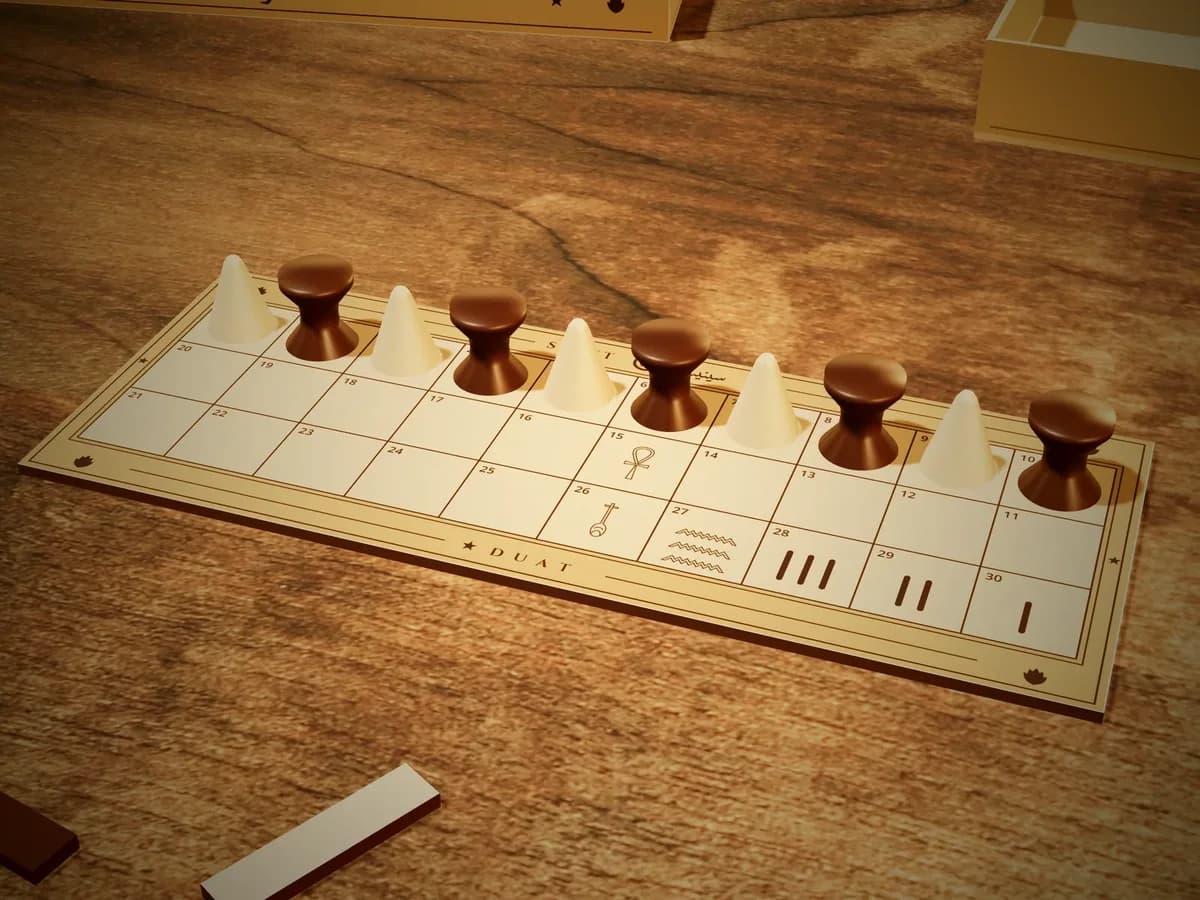
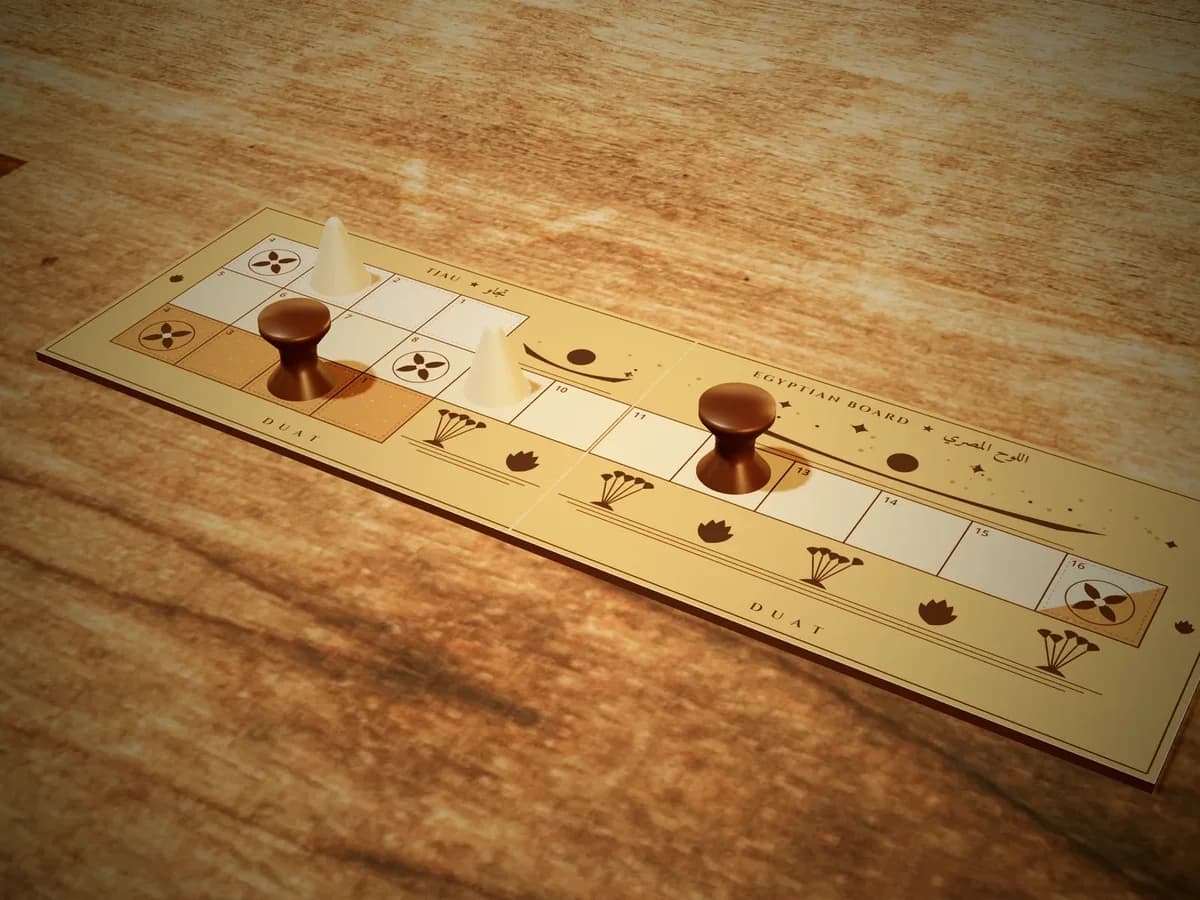
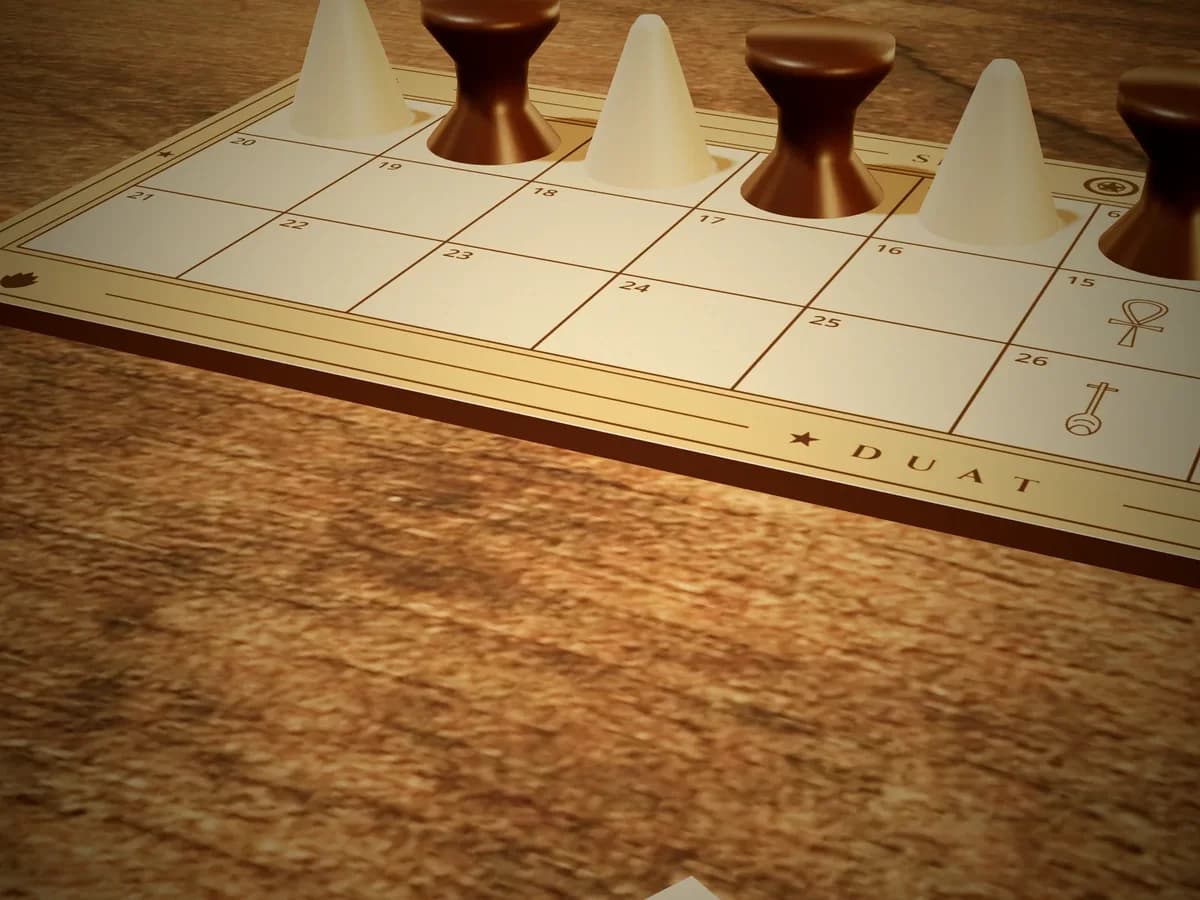
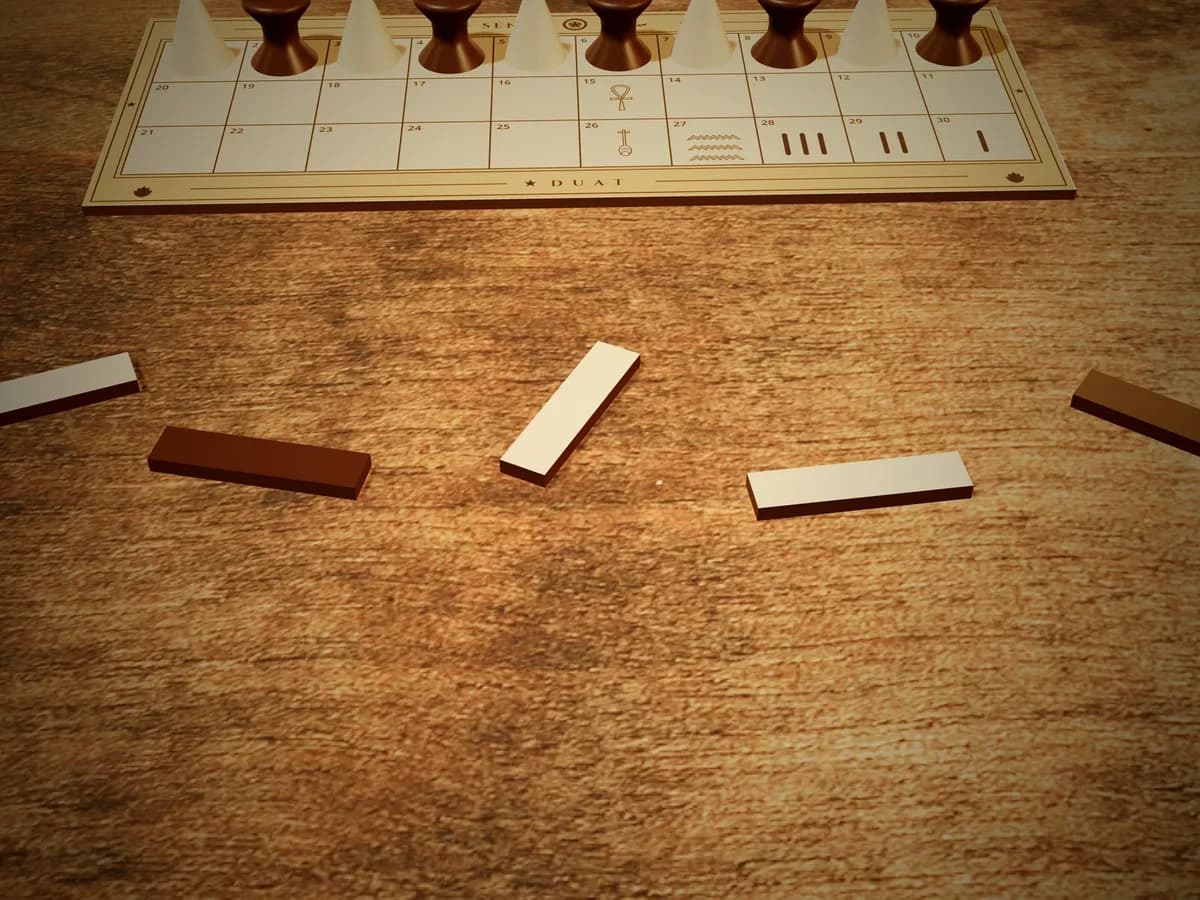
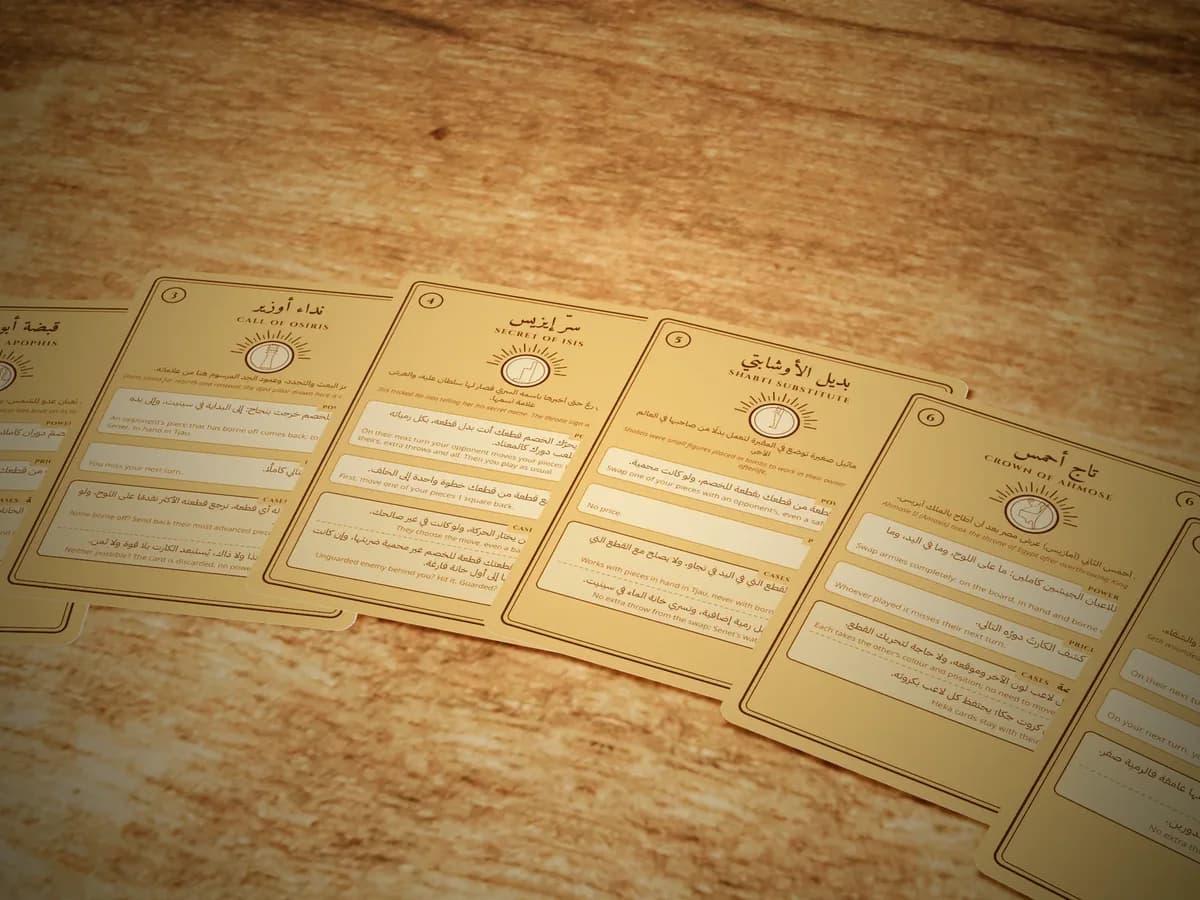
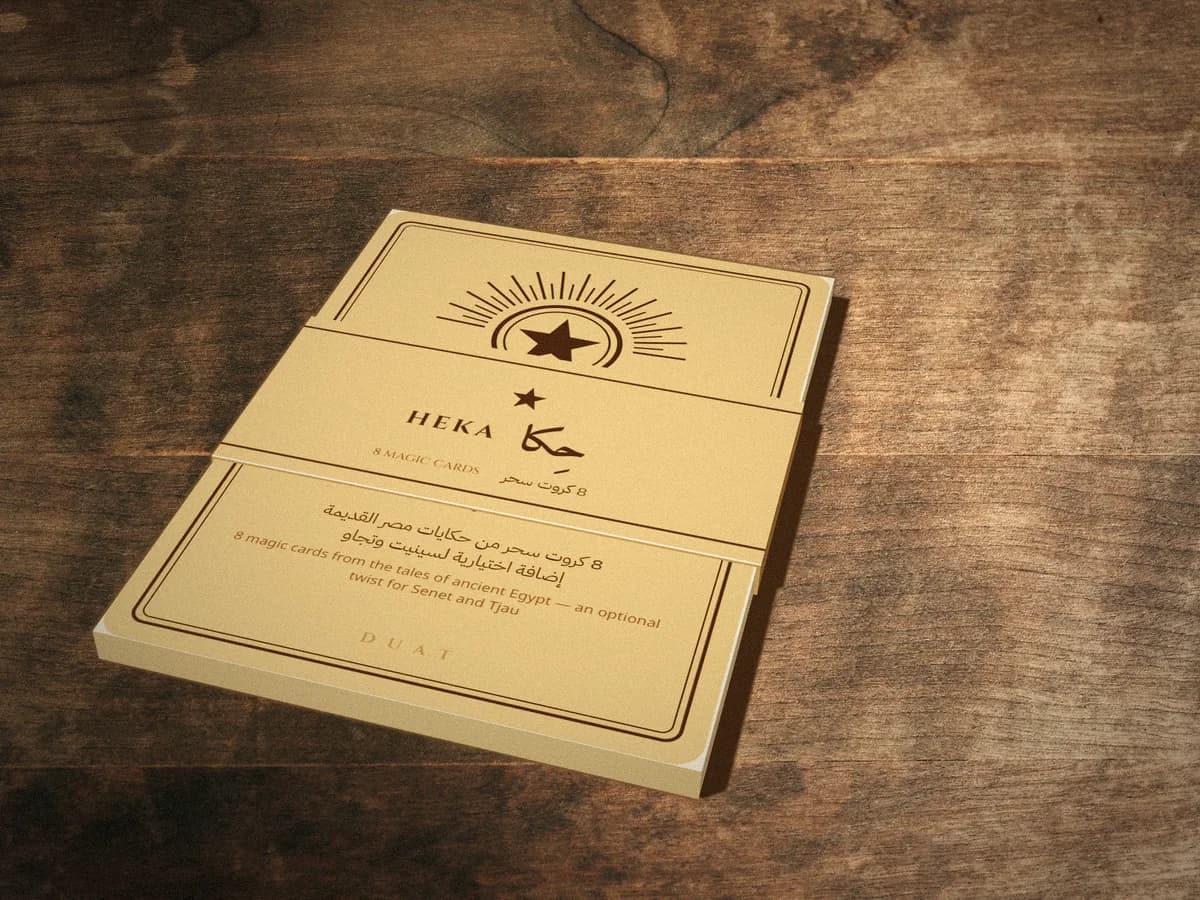
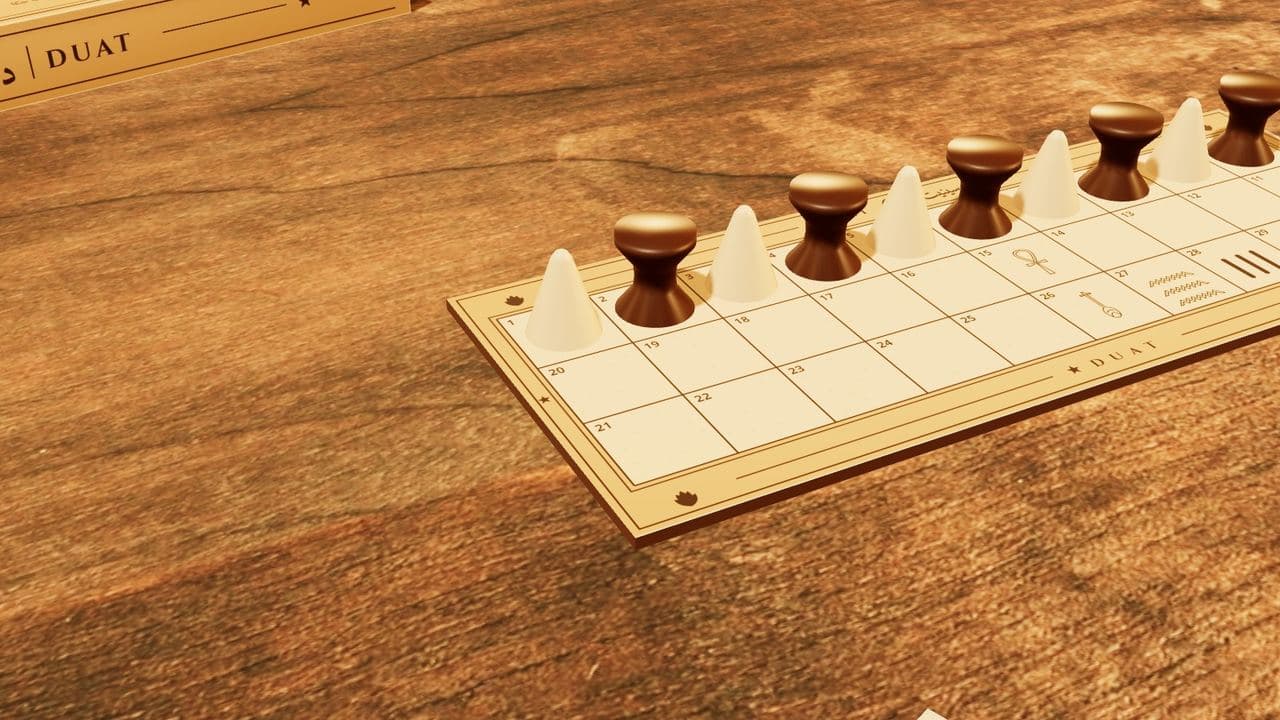
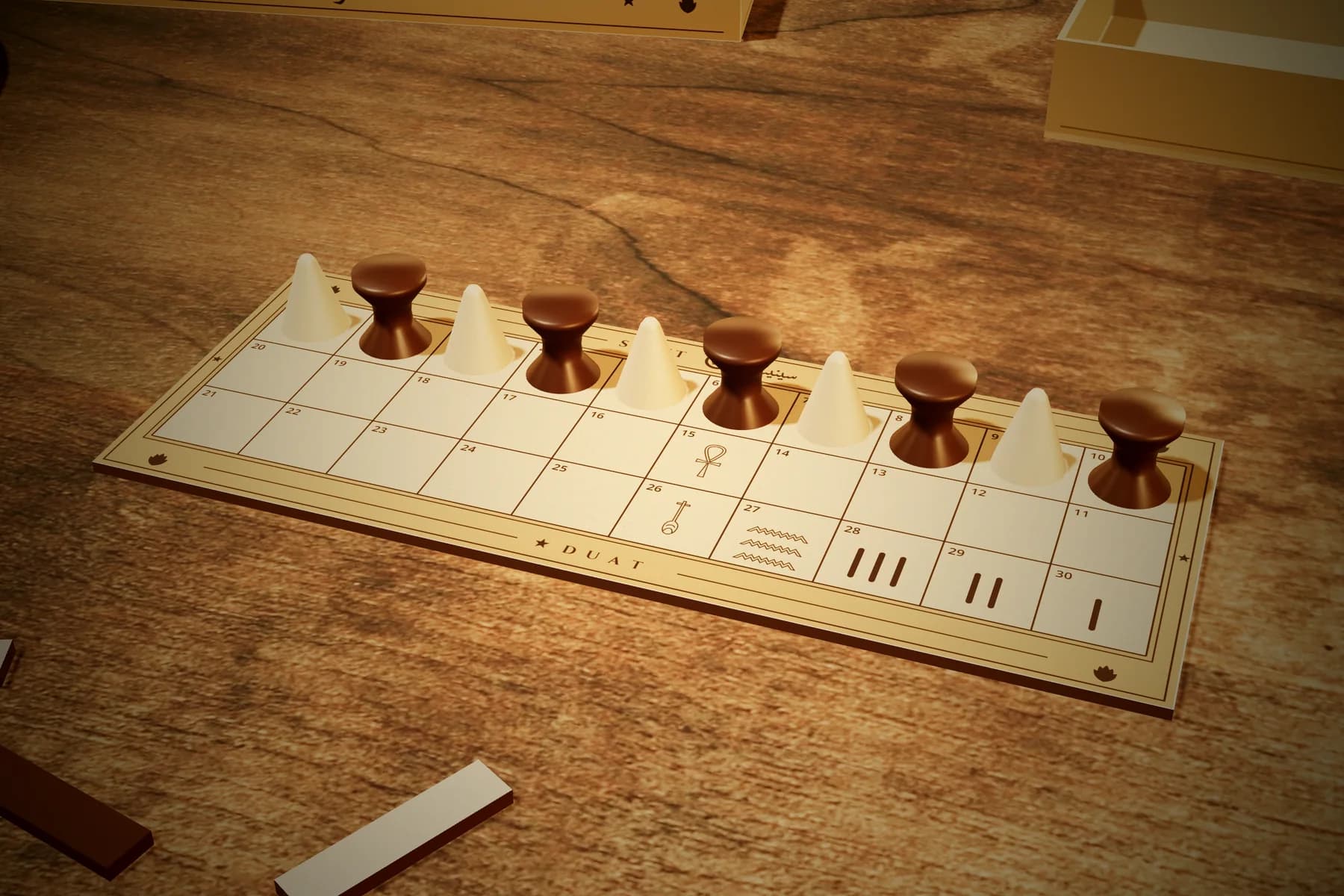
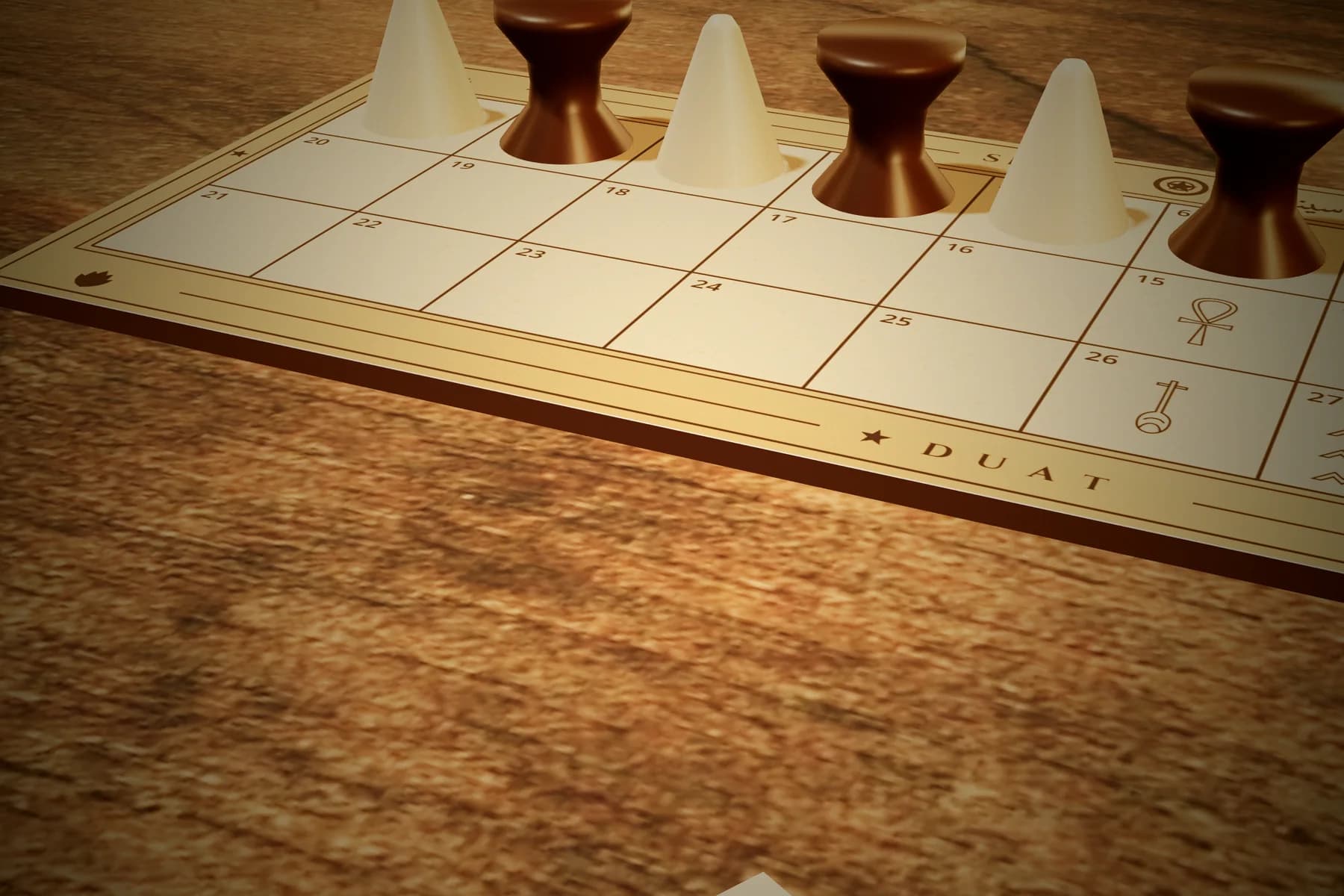
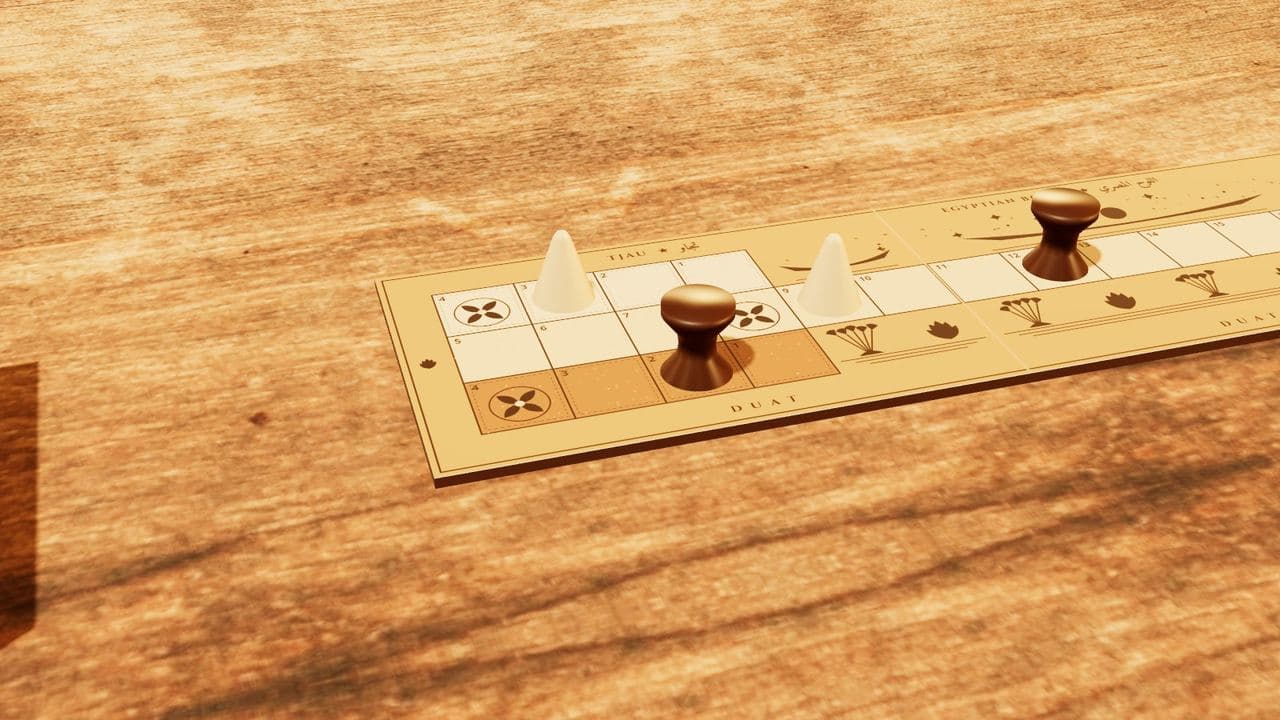
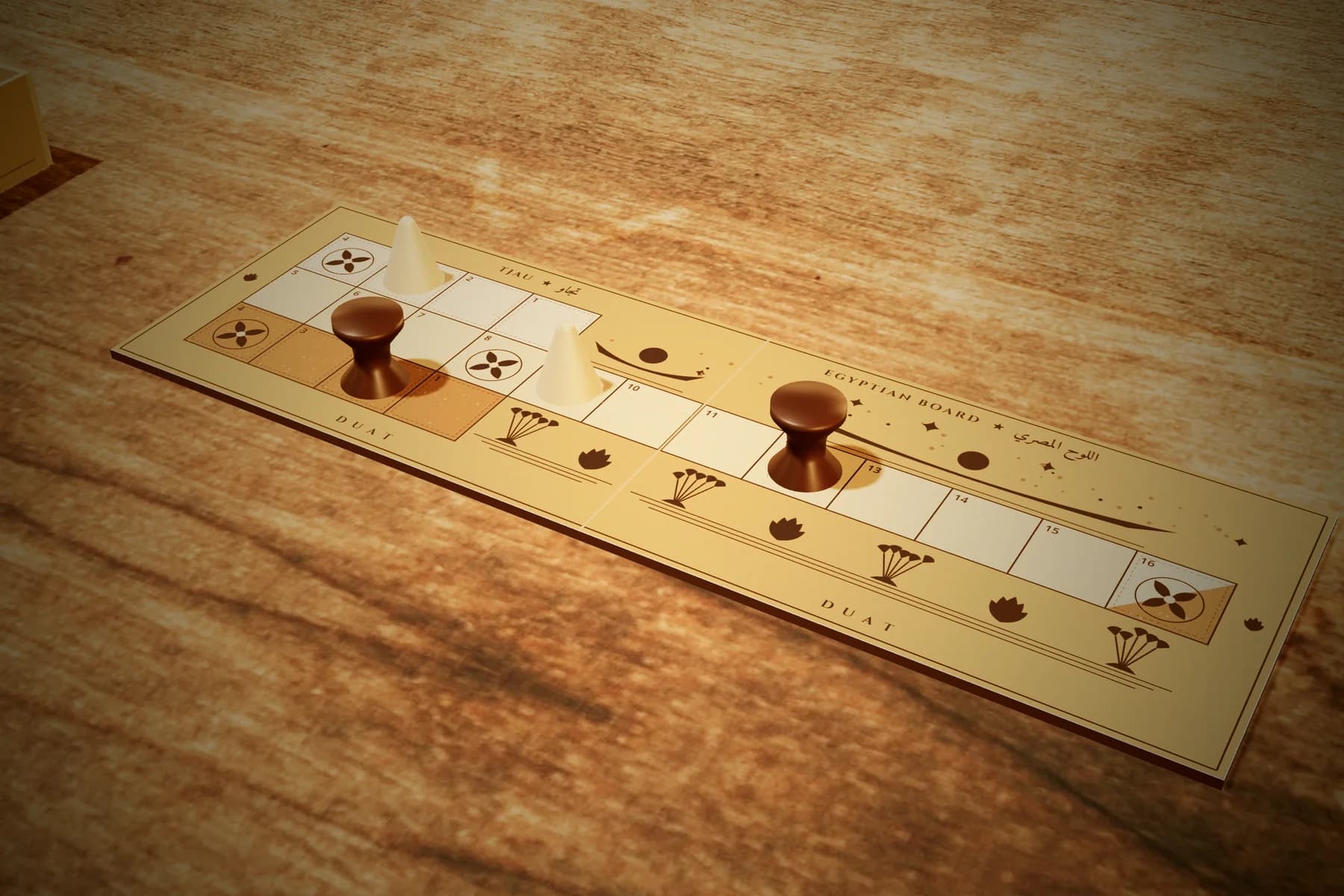
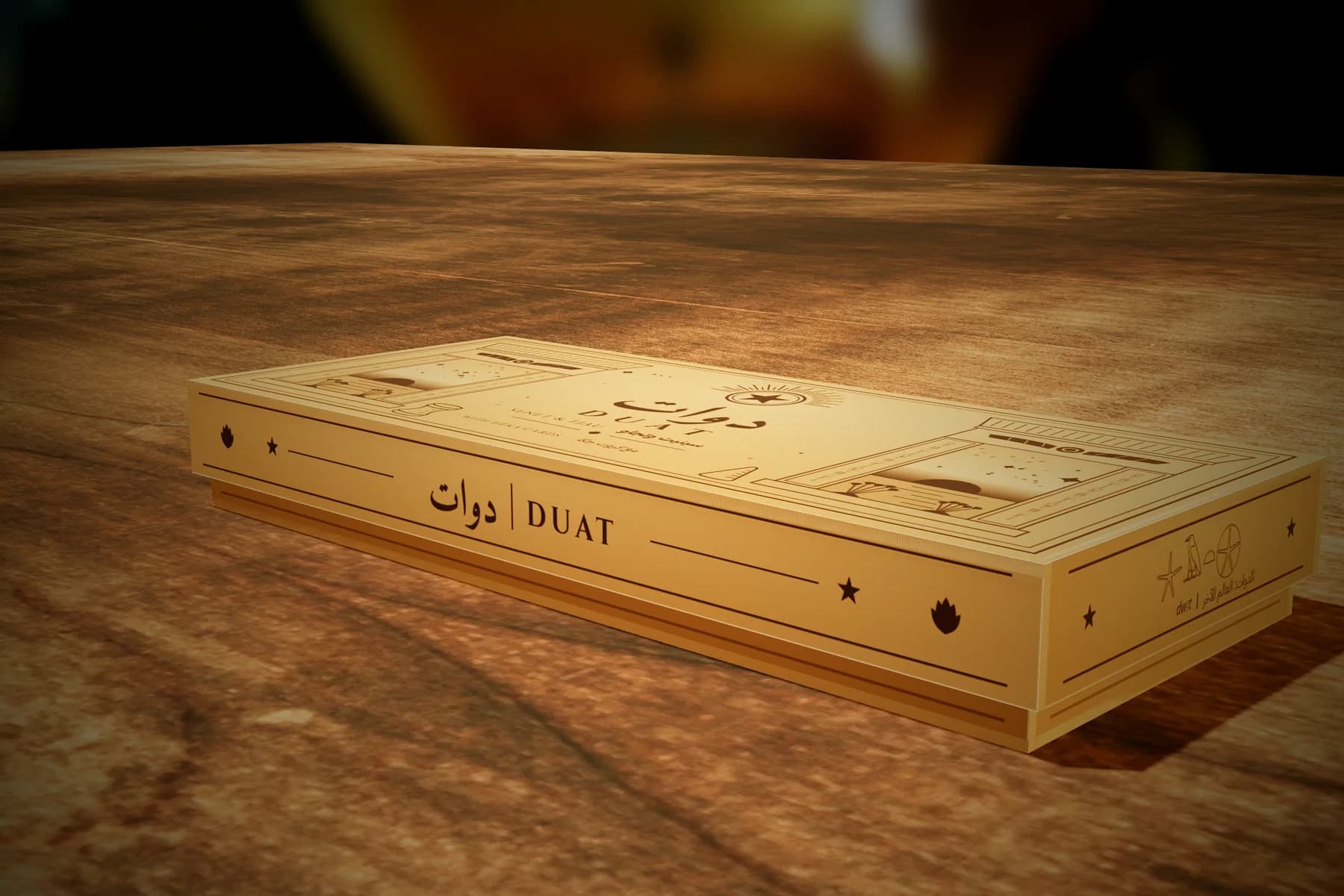
Senet is one of the oldest known board games in the world. Egyptians played it from the First Dynasty, and it later became a picture of the soul’s journey through the afterlife. Beside it came a game from the east, the twenty squares, and found its place on the back of the same box. Here is their story in eight moments.
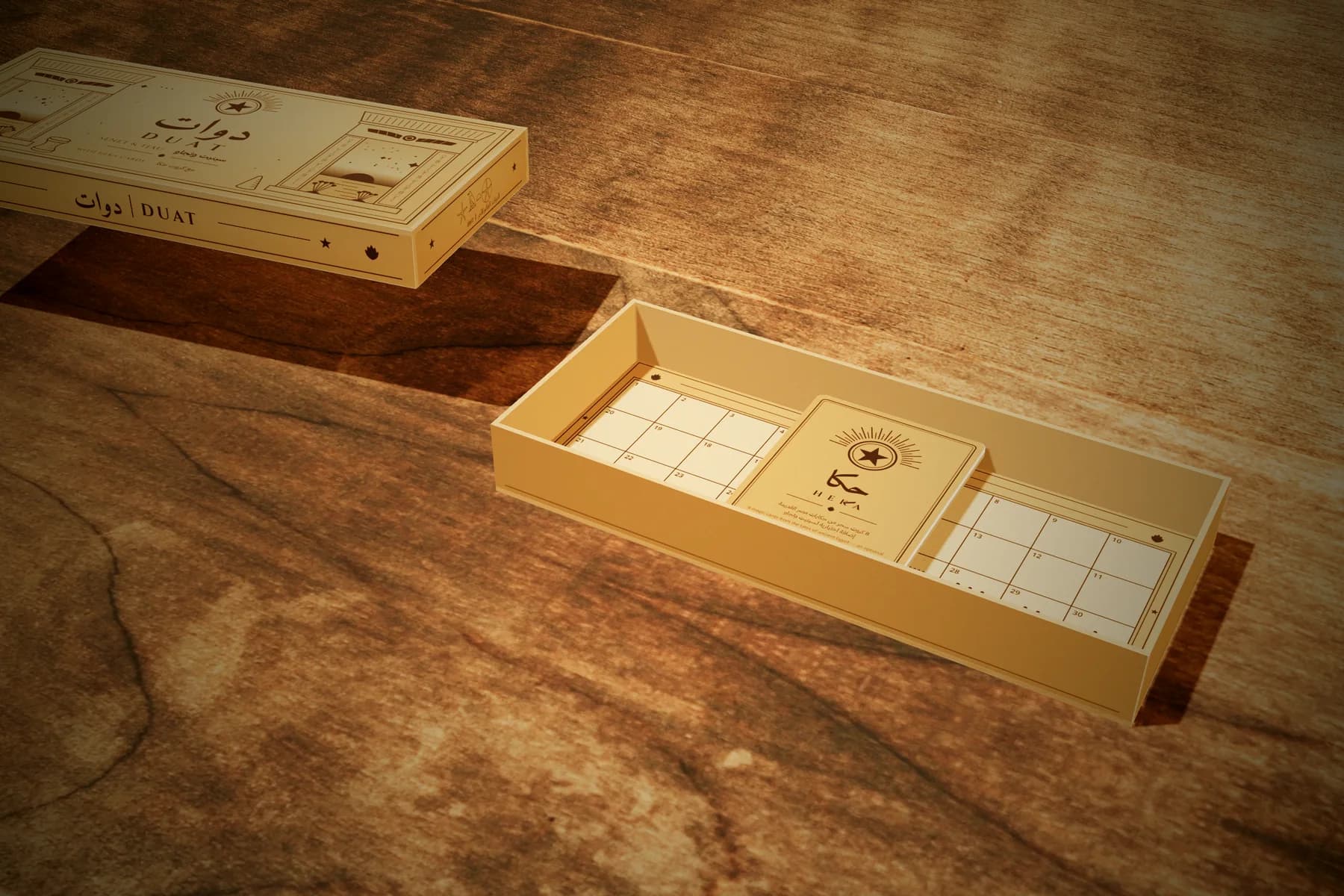
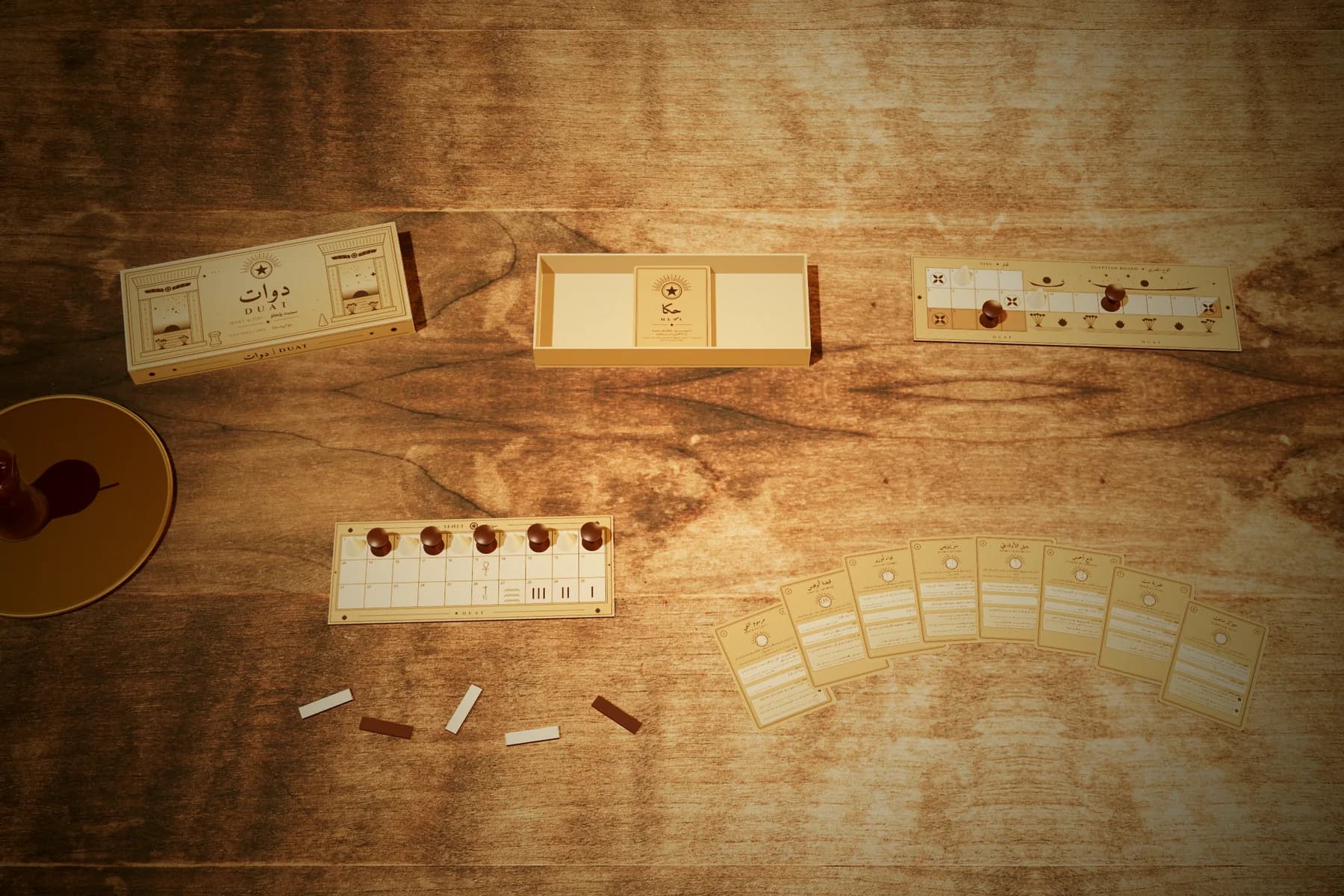
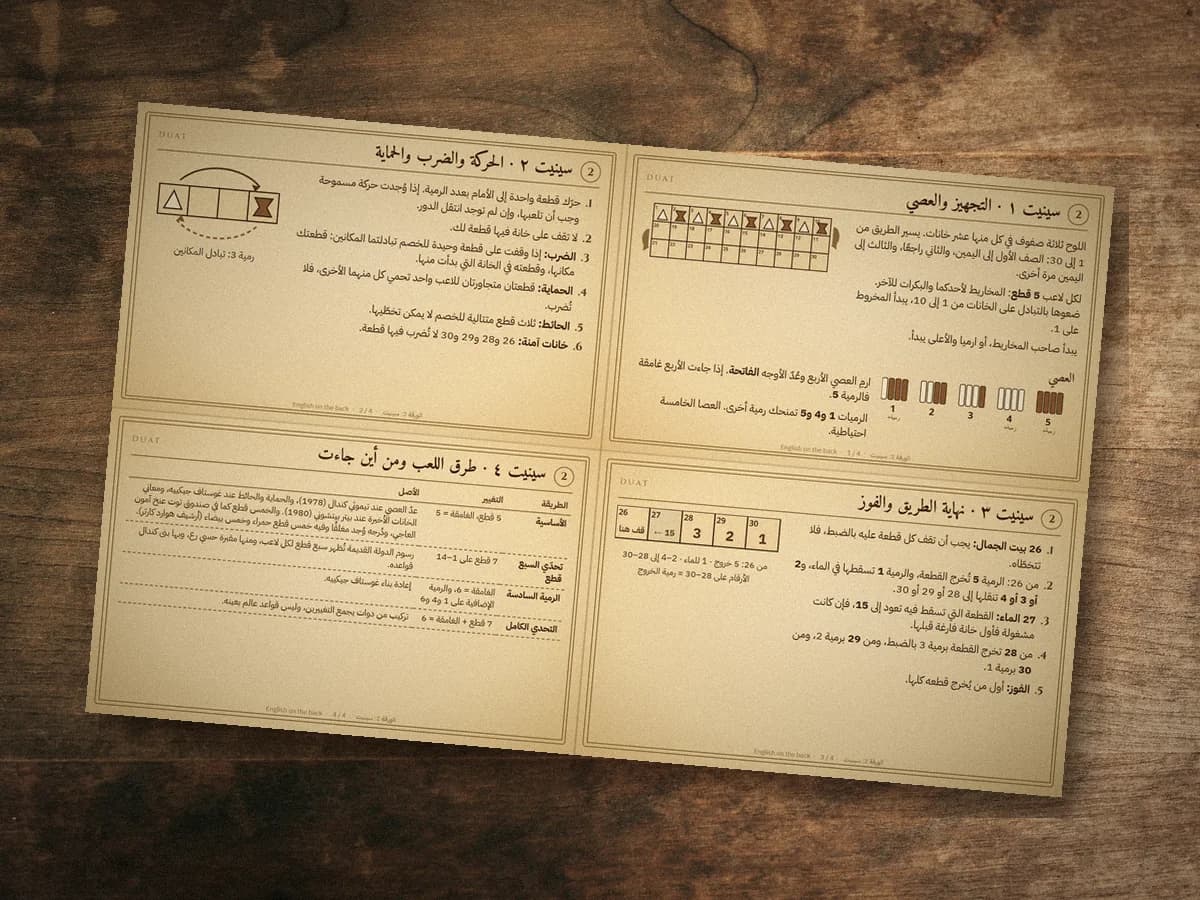
Senet’s original rules are lost. The box uses modern reconstructions by known scholars such as Kendall, Piccione, Jéquier and Finkel, and names where each comes from.
Sources
- Crist, W., Dunn-Vaturi, A.-E. & de Voogt, A. 2016. Ancient Egyptians at Play. Bloomsbury.
- Finkel, I. L. 2007. “On the Rules for the Royal Game of Ur.” Ancient Board Games in Perspective. British Museum Press.
- Piccione, P. 1980. “In Search of the Meaning of Senet.” Archaeology 33: 55–58.
- Kendall, T. 1978. Passing Through the Netherworld. Kirk Game Co. (via summaries).
- Crist, W. 2021. “Debunking the Diffusion of Senet.” Board Game Studies Journal 15.
- Griffith Institute, Oxford: Howard Carter archive, objects 345, 393, 585r, 593.
- The Met: game box 16.10.475; senet of Meryma’at 01.4.1; Heilbrunn essay on board games.
- British Museum: Royal Game of Ur BM 120834; Apophis EA 52831; Papyrus of Hunefer EA 9901.
- McDonald, J. K. 1996. House of Eternity: The Tomb of Nefertari. Getty.